
Robotics is reshaping industries through automation, intelligent systems, and artificial intelligence. As this field grows, demand for specialists continues to rise across multiple sectors.
Many roles blend skills in mechanics, electronics, and programming. This article highlights top robotics careers to explore and explains how they are shaping the future of technology.
Robotics Engineer
This is one of the most sought-after roles in the robotics industry. Robotics engineers design, test, and build robotic systems that solve real-world problems.

These professionals typically work with mechanical design tools and programming languages. Industries like aerospace, defense, and manufacturing rely on their expertise.
A degree in robotics, mechanical engineering, or a related field is often required. Proficiency in CAD software and control systems is also essential.
Mechatronics Engineer
Mechatronics engineers work at the intersection of mechanics, electronics, and computing. They help develop machines and systems that perform automated tasks.
This role is crucial in the automotive, advanced manufacturing, and energy sectors. You’ll need skills in sensors, actuators, and embedded systems. A
background in engineering and knowledge of MATLAB or LabVIEW is a plus. Mechatronics is a core foundation for many robotic applications.
AI and Machine Learning Specialist
Artificial Intelligence is at the heart of modern robotics. These specialists build algorithms that help robots make decisions, learn from data, and adapt to their environment.
Roles in this field require knowledge of Python, TensorFlow, and deep learning models. Industries like autonomous vehicles and robotics startups employ these experts.
Strong foundations in statistics and linear algebra are essential. A master’s or PhD in AI or computer science boosts career prospects.
Computer Vision Engineer
Computer vision allows robots to interpret and analyze visual information. These engineers develop systems that enable machines to see and react.
They use tools like OpenCV, YOLO, and neural networks. Applications include robotics arms, surveillance drones, and healthcare devices.
Experience with image segmentation and object recognition is vital. This role often overlaps with AI and robotics engineering.
Robotics Technician
These technicians provide support to install, maintain, and troubleshoot robotic systems. They often work in manufacturing environments and help ensure robots perform correctly.
The job may involve calibration, sensor checks, and electrical adjustments. Vocational training or associate’s degrees are common pathways.
Robotics certifications like FANUC can give job seekers an edge. Hands-on experience is especially valued in this career.
Software Developer for Robotics
Software developers write the code that runs robotic systems. They focus on control algorithms, user interfaces, and real-time communication.
This profession demands strong coding skills in C++, Python, or Java. Knowledge of the Robot Operating System (ROS) is often required.
Developers may work on mobile robots, industrial bots, or assistive tech. Their work ensures that robots behave intelligently and safely.
Autonomous Vehicle Engineer
This career focuses on building self-driving cars and autonomous navigation systems. Engineers in this field combine robotics, AI, and sensor integration.
They work on LiDAR, GPS, path planning, and obstacle detection. Employers include companies like Tesla, Waymo, and major automotive brands.
You’ll need advanced math, machine learning, and hardware experience. The role is growing rapidly as autonomous mobility expands.
Human-Robot Interaction (HRI) Designer
HRI designers study and design how humans and robots interact. Their work influences how robots respond to gestures, speech, and emotions.
This field is key for service robots, caregiving bots, and collaborative machines. It requires knowledge of cognitive science, UX design, and robotics.
Effective communication skills and empathy are important. HRI is gaining attention in education and healthcare sectors.
Biomedical Robotics Engineer
Biomedical engineers create robotic systems for surgical tools, prosthetics, and rehabilitation. They combine biology, mechanics, and electronics to improve healthcare outcomes. These roles often require a biomedical engineering degree and robotics experience. Precision, reliability, and patient safety are top priorities. Companies like Intuitive Surgical and Stryker hire these specialists. The demand for medical robotics is steadily growing.
Robotics Research Scientist
Research scientists drive innovation by developing new robotic technologies and theories. They often work in universities, government labs, and private R&D departments.
These roles require deep academic training and often a PhD. Their work can lead to patents, scientific publications, and prototypes.
Topics include swarm robotics, bio-inspired design, and cognitive robotics. This path suits those interested in cutting-edge breakthroughs.
Related Fields to Explore in Robotics
Robotics connects with several other promising fields. These roles support or enhance core robotics functions in different industries.
- Industrial Automation Specialist: Focuses on streamlining factory processes using robotic systems and sensors.
- Drone Systems Engineer: Designs and maintains aerial robotic platforms for surveying, logistics, or photography.
- Robotics Cybersecurity Specialist: Protects robotic systems from hacking and malicious use.
- Robotics Policy Advisor: Develops ethical frameworks and regulations for robotics deployment.
- Robotics Educator: Teaches robotics fundamentals in schools, colleges, or bootcamps.
Educational Paths and Certifications
A strong educational background can help you enter robotics. Different degrees and certifications are available for specific careers.
- Degrees: Common majors include Robotics, Mechatronics, Mechanical Engineering, Computer Science, and Electrical Engineering.
- Certifications: Popular options are FANUC Robotics Certification, ABB Training, and MITx MicroMasters in Robotics.
- Online Learning: Explore courses from Coursera, edX, and Udacity.
These programs teach coding, circuit design, machine learning, and robot mechanics.
Salary and Job Outlook
Robotics careers offer competitive salaries and job growth. As automation expands, demand for skilled professionals continues to rise.
- Average Salary Range: $70,000 to $140,000 per year, depending on role and experience.
- High-Paying Roles: Research scientists, AI engineers, and autonomous vehicle experts earn at the top end.
- Job Outlook: The U.S. Bureau of Labor Statistics reports steady growth in the engineering and AI sectors.
- Industry Demand: Robotics jobs are rising in manufacturing, defense, logistics, and healthcare.
Top Employers in Robotics
Many global companies actively hire robotics professionals. These organizations span the tech, healthcare, and transportation industries.
- Technology Firms: Google Robotics, Boston Dynamics, Nvidia
- Automotive Leaders: Tesla, Toyota, Ford
- Medical Tech: Intuitive Surgical, Medtronic, Stryker
- Defense & Aerospace: Lockheed Martin, NASA, Raytheon
Job listings can be found on Indeed Robotics Jobs and company career pages.
Tools and Languages in Robotics
Every robotics career involves specific tools and languages. Learning the right ones boosts your job-readiness.
- Programming Languages: Python, C++, Java, MATLAB
- Frameworks: ROS (Robot Operating System), TensorFlow, OpenCV
- Hardware Platforms: Arduino, Raspberry Pi, Jetson Nano
- Design Tools: SolidWorks, Fusion 360, Gazebo (for simulation)
These are essential in both development and testing phases.
Common Challenges in Robotics Careers
While rewarding, robotics careers can be technically demanding. Here are common challenges professionals face:
- Interdisciplinary Demands: You must learn multiple fields like coding, electronics, and control systems.
- Rapid Tech Changes: Staying updated with new frameworks and hardware is critical.
- Ethical Dilemmas: Designers must consider privacy, safety, and job displacement.
- High Learning Curve: Complex math, logic, and real-time systems can be difficult.
Proper training and mentorship can ease these challenges.
Future Trends in Robotics
The robotics field is constantly evolving. Here are some trends influencing the future of work and innovation.
- AI Integration: Smarter robots that make real-time decisions.
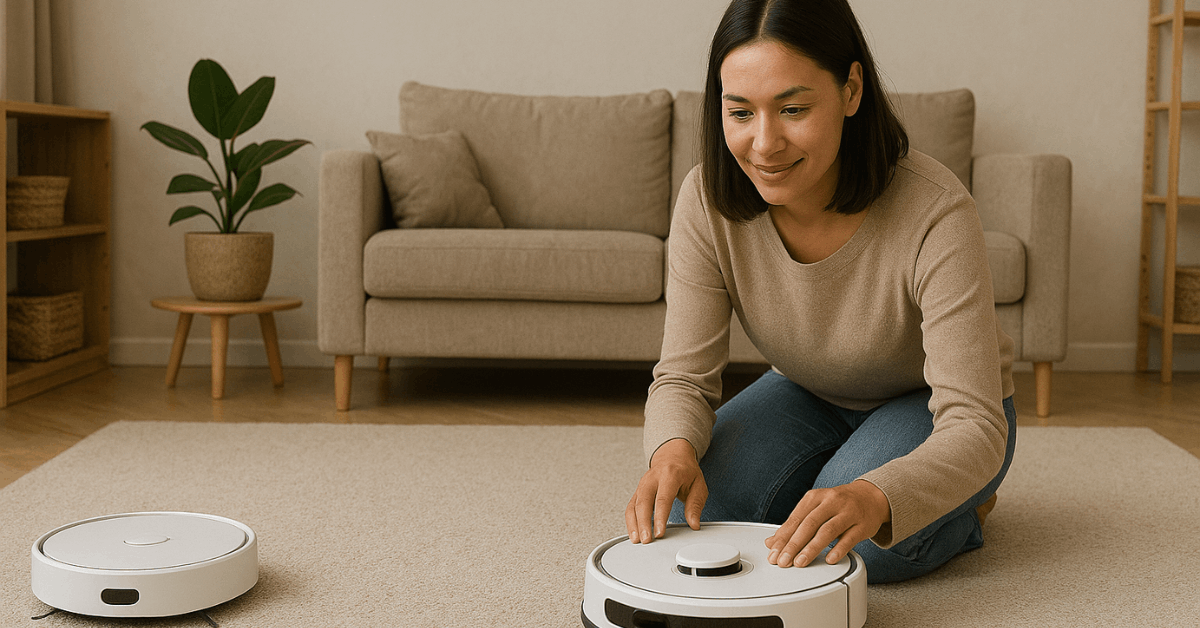
- Home Robotics: Growth in cleaning bots, eldercare bots, and personal assistants.
- Collaborative Robots (Cobots): Machines that work safely alongside humans.
- Robotics in Education: Learning tools for K–12 and higher education.
These trends open new job opportunities across industries.
Ready for the Future? Start Exploring Robotics Now
Exploring a career in robotics opens the door to long-term growth and innovation. Your work could shape tomorrow through machine design, software, and intelligent systems.
The top robotics careers to explore highlight roles that directly impact technology and society. Begin building your skills today and contribute to the future of automation.